Grupo de Estudios en Biodiversidad

Grupo de Estudios en Biodiversidad

Producción Intelectual

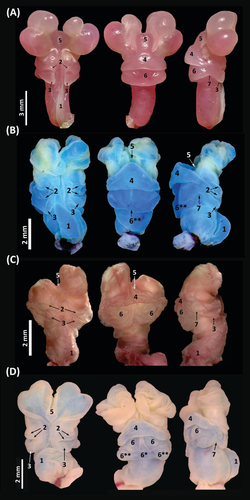
Caracterización morfológica de los estadios embrionarios de la raya dulceacuícola Potamotrygon magdalenae (Elasmobranchii: Potamotrygonidae).
2022·
Articulo

Caracterización morfológica de los estadios embrionarios de la raya dulceacuícola Potamotrygon magdalenae (Elasmobranchii: Potamotrygonidae).

Potamotrygon magdalenae, una raya perteneciente a la familia Potamotrygonidae distribuida en la cuenca del río Magdalena, es considerada de muy alta prioridad para la investigación en el Plan de Acción Nacional para la Conservación y Manejo de Tiburones, Rayas y Quimeras de Colombia. Los estudios de desarrollo embrionario en condrictios son escasos debido a la dificultad para obtener el material biológico y son pocas las tablas de desarrollo para las especies de rayas. En este estudio se hizo la caracterización morfológica macroscópica de una serie de estadios embrionarios de P. magdalenae. Se obtuvieron 30 individuos entre embriones, fetos y neonatos producto de disecciones y abortos de hembras grávidas capturadas mediante pesca incidental. En términos generales, el desarrollo embrionario de esta especie sigue los patrones conocidos para los demás condrictios, aunque con pequeñas diferencias en la tasa de absorción del saco vitelino y la ausencia de filamentos branquiales sobresalientes de los espiráculos, lo que puede relacionarse con su viviparidad y matrotofia uterina.

Autor(es): Martha Patricia Ramirez, Sergio Antonio Lizcano Gutiérrez
Reproductive phenology in a Neotropical aquatic snake shows marked seasonality influenced by rainfall patterns
2021·
Articulo

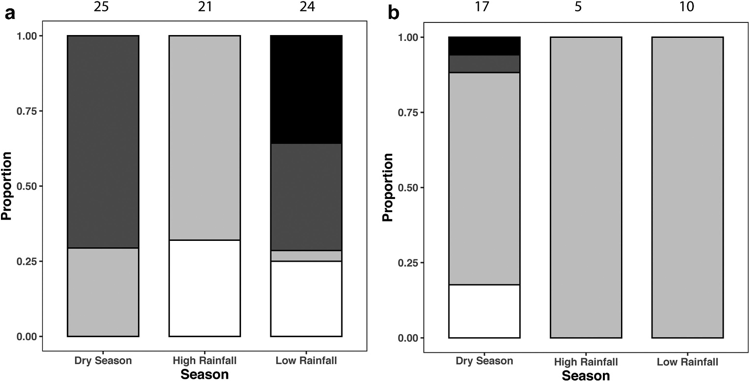
Reproductive phenology in a Neotropical aquatic snake shows marked seasonality influenced by rainfall patterns

Reproductive phenology of snakes varies widely among species, likely influenced by biotic and abiotic factors related to seasonality. In Neotropical regions, where seasonal variation in temperature and photoperiod is minimal, the factors regulating the reproductive phenology of snakes remain poorly known, despite the great diversity of species found in this region. We hypothesise that the phenology of tropical aquatic snakes is directly influenced by local precipitation patterns and resulting water levels. We studied for the first time the reproductive cycle of a neotropical aquatic oviparous snake, Helicops pastazae, in a mountain river in the Andean foothills of Colombia. To do so, we sampled 212 snakes from 2013 to 2017 and classified the monthly reproductive stages of the adult snakes. In females we observed follicular development and presence of oviductal eggs, in males we performed histological analyses of testes, kidney, and deferent ducts. Females showed a marked seasonal reproductive cycle, with secondary vitellogenic individuals mainly clustered during the high precipitation months, ovigerous stages found throughout low precipitation months, and with egg-laying occurring from low precipitation to the early dry seasons. Males produced spermatozoa throughout the year indicating year-round reproduction at a population level. We found sexual dimorphism in tail length, with both juvenile and adult males showing significantly longer tails than females, while adult females were larger than males and showed greater midbody width, head length, and head width. The reproductive activity of H. pastazae is highly seasonal in females, driven by regional rainfall patterns, whereas males are reproductive thorough the year, being a permanent resource for females.

Autor(es): Martha Patricia Ramirez, DANIELA GARCIA COBOS, ANDREW CRAWFORD

Effects of Hydrogel Use in Cariniana pyriformis (Lecythidaceae) Seedlings Under Different Water Regimes
2021·
Articulo

Effects of Hydrogel Use in Cariniana pyriformis (Lecythidaceae) Seedlings Under Different Water Regimes

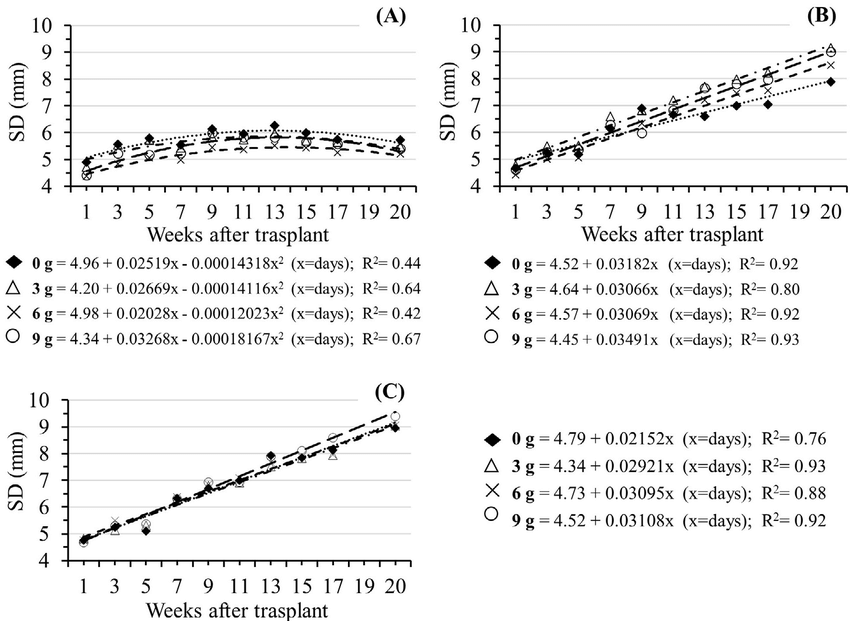
The effect of hydrogel (0, 3, 6, and 9 g per seedling) on the survival and growth of Cariniana pyriformis seedlings under different water regimes (absence of irrigation, 60% and 100% field capacity) in a sandy loam soil was assessed. The experiment was carried out in an agricultural nursery with drip irrigation, implementing a completely randomized block design in a split-plot scheme. After 20 weeks of evaluation in both treatments with irrigation, the maximum dose showed a slight increase (9%) in stem diameter and seedling height compared with the control treatment, although the aerial and root dry biomass did not show differences. For the treatment without irrigation, the survival had a linear response with increasing doses, from 24% (0 g per seedling) to 65% (9 g per seedling). C. pyriformis responds positively to hydrogel when a severe water deficit occurs.

Autor(es): Andres Felipe Castaño, INGRID VANESSA RIOS ANAYA, ANDRES IVAN PRATO SARMIENTO

Parallel evolution of placental calcium transfer in the lizard Mabuya and eutherian mammals
2021·
Articulo

Parallel evolution of placental calcium transfer in the lizard Mabuya and eutherian mammals

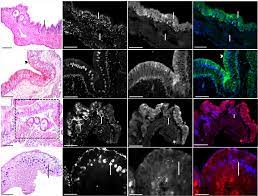
An exceptional case of parallel evolution between lizards and eutherian mammals occurs in the evolution of viviparity. In the lizard genus Mabuya, viviparity provided the environment for the evolution of yolk-reduced eggs and obligate placentotrophy. One major event that favored the evolution of placentation was the reduction of the eggshell. As with all oviparous reptiles, lizard embryos obtain calcium from both the eggshell and egg yolk. Therefore, the loss of the eggshell likely imposes a constraint for the conservation of the egg yolk, which can only be obviated by the evolution of alternative mechanisms for the transport of calcium directly from the mother. The molecular and cellular mechanisms employed to solve these constraints, in a lizard with only a rudimentary eggshell such as Mabuya, are poorly understood. Here, we used RT-qPCR on placental and uterine samples during different stages of gestation in Mabuya, and demonstrate that transcripts of the calcium transporters trpv6, cabp28k, cabp9k and pmca are expressed and gradually increase in abundance through pregnancy stages, reaching their maximum expression when bone mineralization occurs. Furthermore, CABP28K/9K proteins were studied by immunofluorescence, demonstrating expression in specific regions of the mature placenta. Our results indicate that the machinery for calcium transportation in the Mabuya placenta was co-opted from other tissues elsewhere in the vertebrate bodyplan. Thus, the calcium transportation machinery in the placenta of Mabuya evolved in parallel with the mammalian placenta by redeploying the expression of similar calcium transporter genes.

Autor(es): Martha Patricia Ramirez, Nathaly Herna?ndez-D?az, FRANCISCA LEAL CARVAJALINO

Changes in the nocturnal activity of birds during the COVID?19 pandemic lockdown in a neotropical city.
2021·
Articulo

Changes in the nocturnal activity of birds during the COVID?19 pandemic lockdown in a neotropical city.

The COVID?19 lockdown provided the opportunity to measure species biodiversity in urban environments under conditions divergent from regular urban rhythms. For 90 days, including weeks of strict lockdown and the subsequent relaxation of restrictions, we measured the presence and abundance of birds that were active at night at two sites in the city of Cali, Colombia. Our results show that species richness of nocturnal birds decreased 40 % to 58 % during the weeks with more human activity, adding further evidence to the biodiversity responses of the ?anthropause? on urban environments.

Autor(es): Enrique Arbelaez, FELIPE ESTELA, CAMILO ENRIQUE SANCHEZ, DAVID OCAMPO, MICHELLE GARCIA-ARROYO, ALEJANDRO PERLAZA-GAMBOA, CARLOS MARIO WAGNER, IAN MACGREGOR-FORS

Reproductive Phenology of Five Species of Terrestrial Frogs (Genus Eleutherodactylus) from Cuba.
2021·
Articulo

Reproductive Phenology of Five Species of Terrestrial Frogs (Genus Eleutherodactylus) from Cuba.

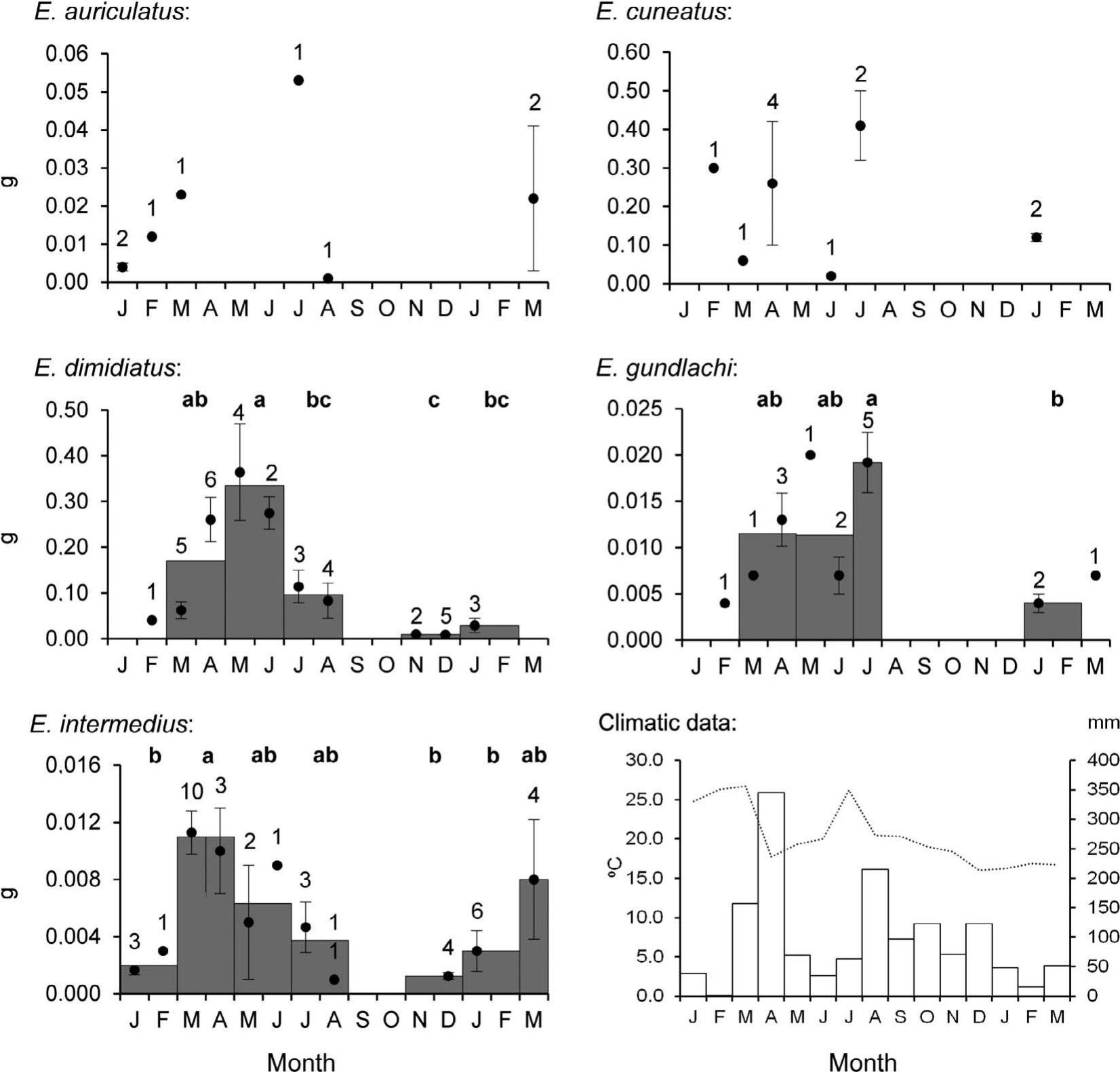
We studied the reproductive phenology of five endemic Eleutherodactylus species that coexist in a mountain rainforest in Cuba and estimated their sex ratios at immature and mature stages. We tested the hypothesis that in Neotropical humid sites, reproductive activity in sympatric species will vary in the time of occurrence so that there is no complete temporal overlap. We also investigated whether the length of the breeding season was associated to relative testes size as a proxy for male?male competition. We inferred reproductive phenology from seasonal variation in the number of sexually active individuals, their gonad developmental stage, and male vocal activity from January 2003 to March 2004. Our data do not support the hypothesis of temporal segregation in reproduction for this assemblage because we found a prolonged reproductive pattern in the five species, but there was decreased breeding intensity in the cooler months (November?February). This deduction is supported by a drop in the weight of the ovaries and the number of vitellogenic follicles, absence of mature females or reduction of their abundance, and disappearance of male vocal activity in the winter. We found differences in relative testes size among species, which were not related to differences in the length of the breeding season, but rather to interspecific differences in sex ratio.

Autor(es): Martha Patricia Ramirez, GERMAN M. LOPEZ, IRELIS BIGNOTTE GIRO, ANSEL FONG

Role of the Chicamocha River Canyon on the phylogeography of humid montane forest birds in Colombia.
2021·
Articulo

Role of the Chicamocha River Canyon on the phylogeography of humid montane forest birds in Colombia.

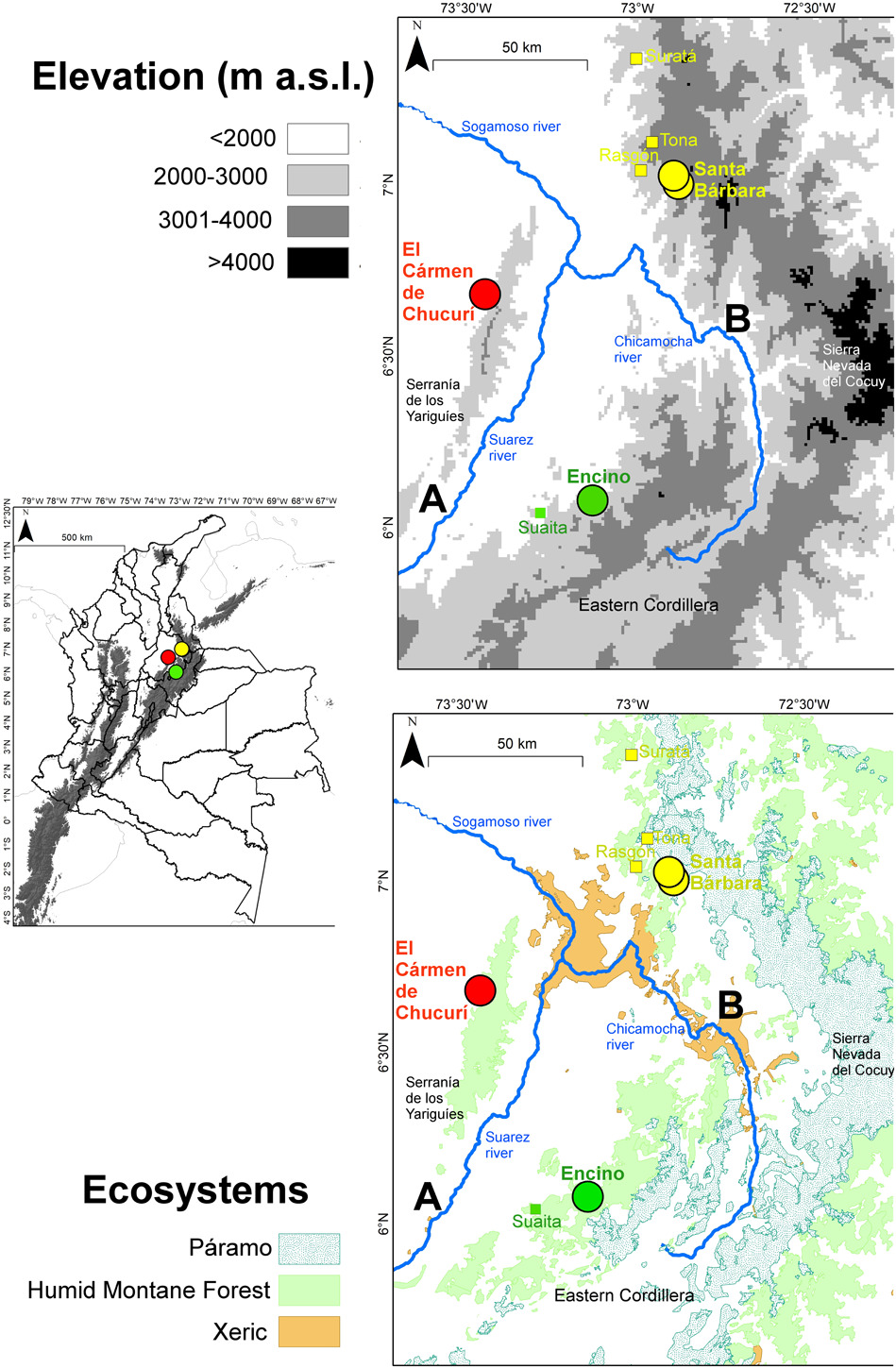
Neotropical humid montane forest (HMF) is divided by landform discontinuities which could limit gene flow among populations. The northern Andes is a complex montane system and an excellent region to compare the role of discontinuities dividing HMFs on the phylogeography of bird species. We study phylogeographic patterns of seven HMF bird species in the western slope of the eastern Cordillera to test whether the phylogeographic structure coincides with the presence of two landform discontinuities. We sequenced and analyzed a mitochondrial DNA locus from individuals collected in localities on both sides of the xeric ecosystems of the Chicamocha River Canyon and on both sides of the depression below 2000 m a.s.l. that separates the mountain range of Serranía de los Yariguies from the rest of the eastern Cordillera. Despite the low sample size for some species in particular localities, our results show that the major phylogeographic structure within most species (i.e. Adelomyia melanogenys, Henicorhina leucophrys, Basileuterus tristriatus, and Mionectes olivaceus) is located between both sides of the canyon. However, there is no phylogeographic structure in Doryfera ludovicae, Premnoplex brunnescens, and Arremon brunneinucha, despite some degree of genetic structure in the last two. Our results support a role of the Chicamocha River Canyon as a barrier diminishing, or precluding, gene flow. Evidence of gene flow between populations separated by the landform discontinuity between Serranía de los Yariguies and the rest of the eastern Cordillera indicates that it is not a barrier for most of the species, but could be a barrier to A. melanogenys that exhibits a different phylogeographic pattern. For this hummingbird, the haplotype of the Serranía de los Yariguies is related to haplotypes in other HMFs far away from the study region. Altitudinal changes of the HMF due to paleoclimatic changes are considered to explain the phylogeographic patterns of the species.

Autor(es): Enrique Arbelaez, NATALIA TRUJILLO ARIAS

Experiences of surveying urban birds during the anthropause in Colombia.
2021·
Articulo

Experiences of surveying urban birds during the anthropause in Colombia.

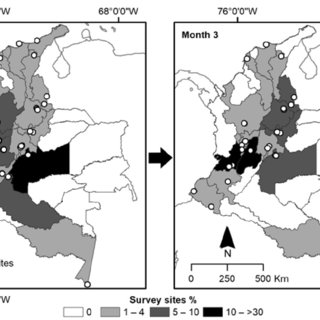
The COVID-19 lockdowns produced a singular opportunity to perform scientific research in idle cities. The expected changes in urban ecology led us to form a citizen science community which, following standardized protocols, conducted well-structured surveys of birds across Colombia to test questions about urban bird assemblages that had not yet been addressed. Here, we report the process and experience of this citizen science initiative, conducted between March 30 and June 30, 2020, and discuss recommendations to apply to future projects with similar goals. The volunteer-based survey that we organized began with 93 collaborators in 40 urban centers, but ended with just 45 collaborators from 22 urban centers. Some issues that probably explain the drop in collaborators are commented on. This citizen science exercise was successful, gathering over 75,000 bird records of at least 250 bird species.

Autor(es): Enrique Arbelaez, CAMILO E. SANCHEZ, DAVID OCAMPO, FELIPE A. ESTELA, MICHELLE GARCIA ARROYO, IAN MACGREGOR FORS

Global COVID-19 lockdown highlights humans as both threats and custodians of the environment.
2021·
Articulo

Global COVID-19 lockdown highlights humans as both threats and custodians of the environment.

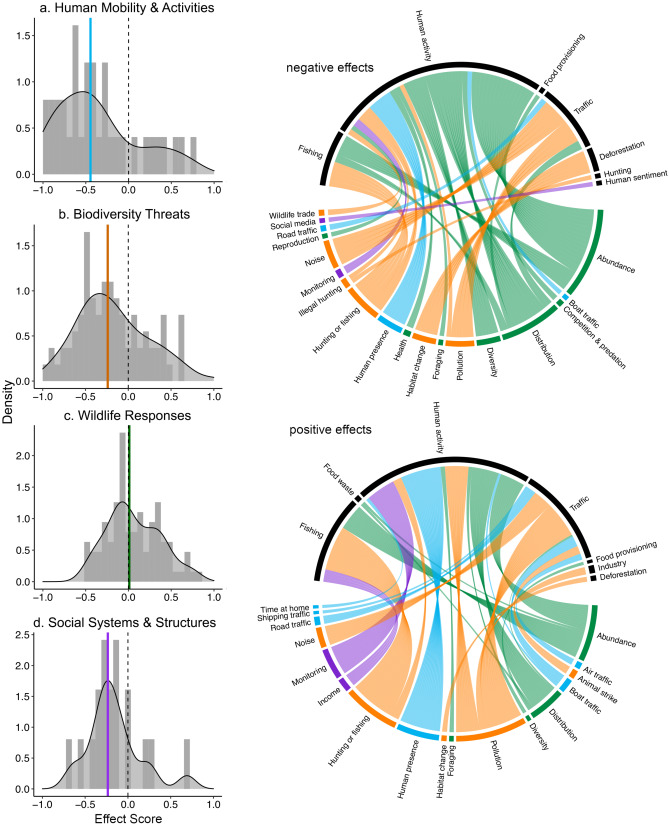
The global lockdown to mitigate COVID-19 pandemic health risks has altered human interactions with nature. Here, we report immediate impacts of changes in human activities on wildlife and environmental threats during the early lockdown months of 2020, based on 877 qualitative reports and 332 quantitative assessments from 89 different studies. Hundreds of reports of unusual species observations from around the world suggest that animals quickly responded to the reductions in human presence. However, negative effects of lockdown on conservation also emerged, as confinement resulted in some park officials being unable to perform conservation, restoration and enforcement tasks, resulting in local increases in illegal activities such as hunting. Overall, there is a complex mixture of positive and negative effects of the pandemic lockdown on nature, all of which have the potential to lead to cascading responses which in turn impact wildlife and nature conservation. While the net effect of the lockdown will need to be assessed over years as data becomes available and persistent effects emerge, immediate responses were detected across the world. Thus, initial qualitative and quantitative data arising from this serendipitous global quasi-experimental perturbation highlights the dual role that humans play in threatening and protecting species and ecosystems. Pathways to favorably tilt this delicate balance include reducing impacts and increasing conservation effectiveness.

Autor(es): Enrique Arbelaez, AMANDA BATES, RICHARD B. PRIMACK, BRANDY S. BIGGAR, TOMAS J. BIRD, MARY E. CLINTON, RYLAN J. COMMAND, CERREN RICHARDS, MARC SHELLARD, NATHAN R. GERALDI, ORLANDO ACEVEDO-CHARRY, ZUANIA COLON-PIÑEIRO

Sexual maturity, molting, and reproductive activity in the Carib Grackle (Quiscalus lugubris).
2021·
Articulo

Sexual maturity, molting, and reproductive activity in the Carib Grackle (Quiscalus lugubris).

The Carib Grackle (Quiscalus lugubris) has recently extended its distribution to montane habitats in the Colombian Andes, including urban areas. Little is known about its reproductive biology in both natural and urban environments. We analyzed the relationship between morphological and morphometric external characters with sex, reproductive condition, and the annual reproductive activity of two groups of individuals that inhabit the city of Bucaramanga, Colombia. We aimed to know if there is a clear association between external features (including plumage/molting) and sex, maturity, and reproductive stage. We recorded the external morphology of these individuals (molt, iris color, and brood patch presence) as well as standard morphometric traits and classified these birds in reproductive stages according to morphology and histological analyses of their reproductive tracts. We found a clear sexual dimorphism between adults in morphometric features and plumage color. However, neither morphometric features nor iris and plumage color/molt pattern clearly indicates sexual maturity; some immatures can be mistakenly taken as adults due to the morphological characteristics obtained after they complete their pre-basic molt. Females reach maturity at different body masses and could reproduce asynchronically; therefore, the presence and type of brood patch is the only useful feature for the identification of female reproductive stages. Quiscalus lugubris has an extended breeding season throughout the year and a seasonal molting activity; at the end of the second rainy season (November) and during the driest time of the year (December?January), adults exhibited reproductive tracts in regression and were found in active molt.

Autor(es): Martha Patricia Ramirez, Victor Hugo Serrano, YADI X. FIGUEROA, LUISA F. SAAVEDRA

Diversification and secondary contact in the magpie-jays (Calocitta) throughout the pacific lowlands of Mesoamerica.
2021·
Articulo

Diversification and secondary contact in the magpie-jays (Calocitta) throughout the pacific lowlands of Mesoamerica.

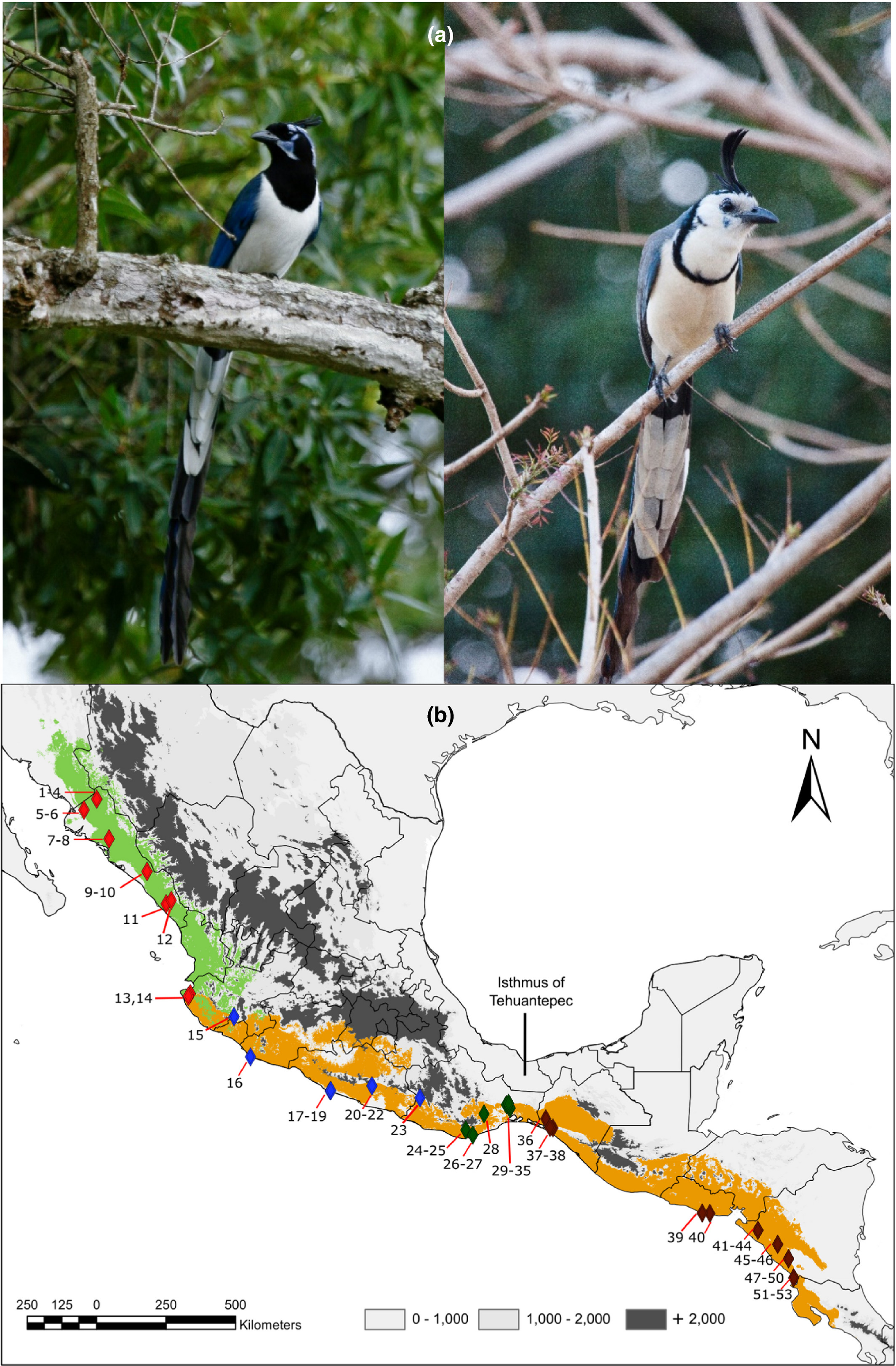
The Mesoamerican dry forests (MDF), rich in species and in endemic taxa, are distributed nearly continuously nearly continuously along the American Pacific slope from Mexico to Costa Rica; however, several of the bird species inhabiting the MDF show clear phenotypic differentiation recognized through the description of subspecies. There are two currently recognized species of magpie-jays of the genus Calocitta (Corvidae) distributed throughout the MDF: the monotypic black-throated magpie-jay (C. colliei) and the polytypic white-throated magpie-jay (C. formosa). These two species have sometimes been considered conspecific and have been reported to hybridize in sympatric areas, where birds with intermediate plumage characters are recorded. Using mitochondrial and nuclear DNA markers from individuals of the two species, we analyze the phylogeographic structure and the genetic diversity within Calocitta under an isolation with migration (IM) model. The results showed strong genetic structure, in which the two currently recognized species and some of the C. formosa subspecies grouped into four well-supported and reciprocally monophyletic clades. IM analyses suggested divergence dates for the split between C. colliei and C. formosa that were congruent with geological factors, as well as with the deep divergence of the three lineages within C. formosa. These factors likely led to a dynamic demographic history in all lineages. We also found strongly limited gene flow, null or near null migration values, and large genetic fixation and genetic distance values. We suggest that the strong genetic differentiation between lineages is the result of allopatric differentiation with later secondary contact, further supporting a highly dynamic biotic history in MDF.

Autor(es): Enrique Arbelaez, LUIS A. SANCHEZ-GONZALEZ, VICENTE J. CASTILLO, ADOLFO G. NAVARRO

Reproductive phenology of three species of Pristimantis in an Andean cloud forest
2020·
Articulo

Reproductive phenology of three species of Pristimantis in an Andean cloud forest

Estudiamos la fenología reproductiva en tres especies de Pristimantis que coexisten en un bosque de niebla tropical andino en la cordillera Oriental de Colombia. Las poblaciones estaban constituidas principalmente por juveniles, numerosos machos adultos, y pocas hembras adultas reproductivas, por lo que la proporción operacional de sexos estuvo muy sesgada hacia los machos, mas no así la proporción poblacional. La media de la longitud rostro-cloaca fue mayor en las hembras adultas que para los machos adultos, así como el tamaño mínimo e madurez sexual, lo que indica que las hembras maduran con tamaños corporales más grandes que los machos y explica el sesgo en la proporción operacional de sexos. Los análisis histológicos de los testículos revelaron la presencia de esperma en casi todos los machos recolectados, lo que significa que son un recurso permanente para a reproducción en las tres especies estudiadas. Los cuerpos grasos abdominales de los machos no mostraron variaciones temporales significativas, ni una relación con las lluvias. Se observaron tres patrones de actividad Reproductiva: 1) actividad reproductiva continua en P. miyatai; 2) actividad reproductiva en las estaciones lluviosas y reclutamiento de juveniles en las siguientes estaciones secas en P. merostictus, y 3) actividad reproductiva principalmente durante el segundo semestre del año y reclutamiento de juveniles en la siguiente estación seca (P. uisae). Los análisis de la actividad reproductiva y el reclutamiento de juveniles revelaron una superposición temporal entre las especies de Pristimantis, lo que sugiere que la fenología reproductiva no juega un papel importante en la segregación temporal de estas especies de anuros. Sin embargo, los diferentes patrones de reproducción podrían representar una estrategia que reduce la aglomeración de ranitas en los microhábitats de crecimiento, facilitando así la coexistencia entre taxones que potencialmente compiten.

Autor(es): Martha Patricia Ramirez, YAMILE GRANADOS PEREZ

Morphology and histology of the male reproductive tract of Caecilia thompsoni (Amphibia: Gymnophiona)
2020·
Articulo

Morphology and histology of the male reproductive tract of Caecilia thompsoni (Amphibia: Gymnophiona)

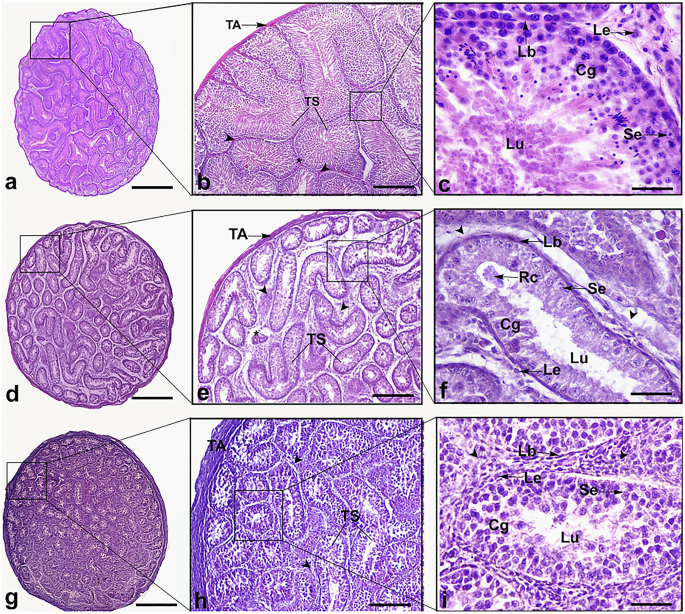
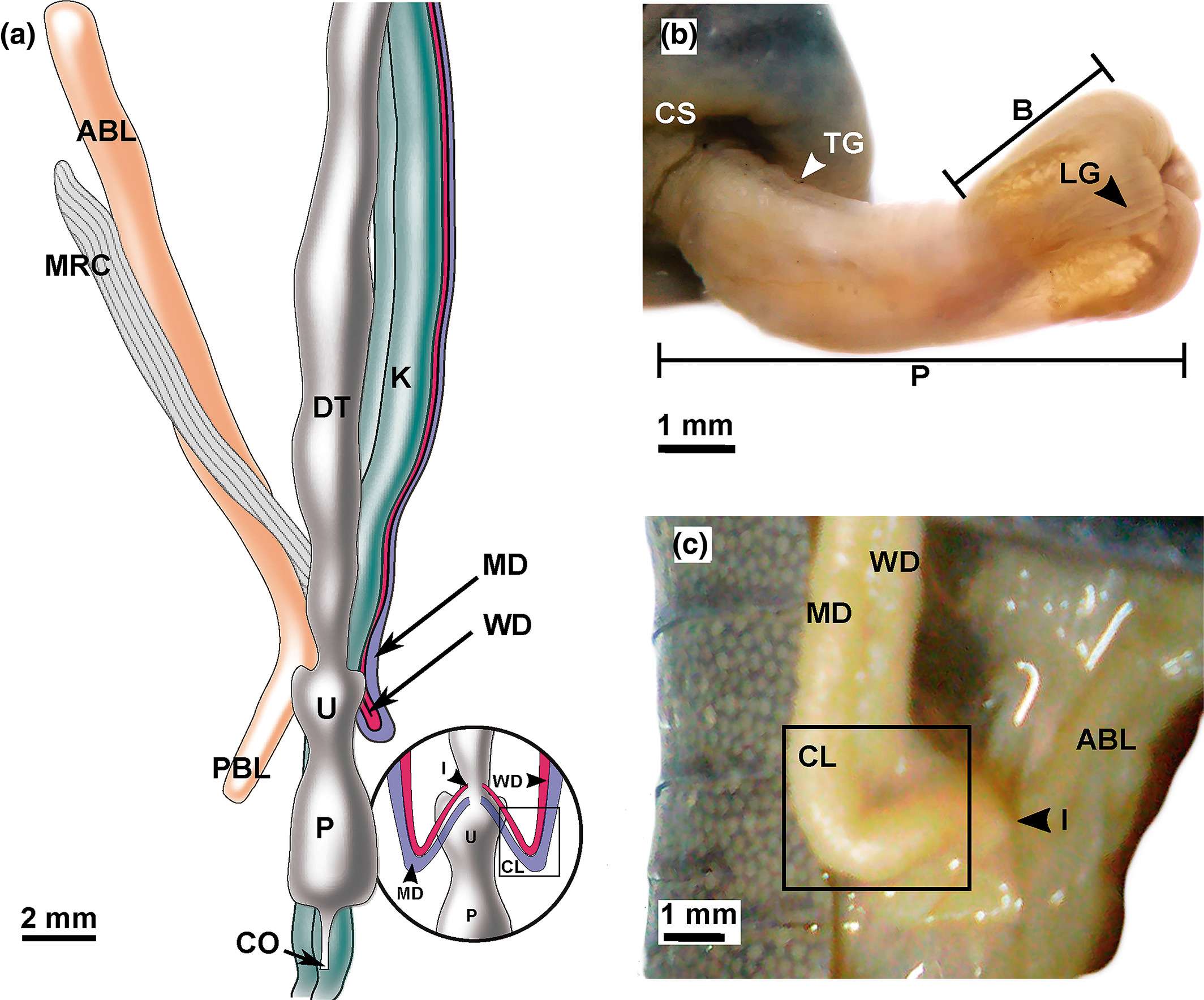
We studied the male reproductive tract of individuals of different body sizes of Caecilia thompsoni to describe morphological characteristics in comparison to other Gymnophiona. The reproductive tract consists of paired testes segmented into chains of primary and secondary lobes, sperm ducts that empty to Wolffian ducts, the cloaca that receives the Wolffian ducts and possesses a phallodeum. Müllerian ducts are present and develop into paired glands that empty into the cloacal urodeum. Testicular secondary lobes contain lobules with cysts of the entire germinal cell line, whereas primary lobes, in the terminal ends of the chains, only have spermagonia, Sertoli cells, and connective tissue. The smallest individual examined (21 cm body length) was immature and only possessed a few testicular primary lobes. Once the individuals reach sexual maturity, the morphological characteristics are quite consistent at macroscopic and histological level among males of very different body sizes. The histological features of the Wolffian and Müllerian glands suggest a complementary secretory role between the two ducts. In the cloaca we found the propulsor muscle, venous sinuses, and blind sacs in the phallodeum, which differentiate C. thompsoni from other species of the genus. Despite these slight differences, the general morphological characteristics, both macroscopic and microscopic, of the reproductive tracts of adult males of C. thompsoni follow the pattern known for the reproductively active males of Gymnophiona.

Autor(es): Martha Patricia Ramirez, CARLOS ANDRES SERRANO PEREZ

New voucher specimens and tissue samples from an avifaunal survey of the Middle Magdalena Valley of Bolívar, Colombia, bridge geographical and temporal gaps
2020·
Articulo

New voucher specimens and tissue samples from an avifaunal survey of the Middle Magdalena Valley of Bolívar, Colombia, bridge geographical and temporal gaps

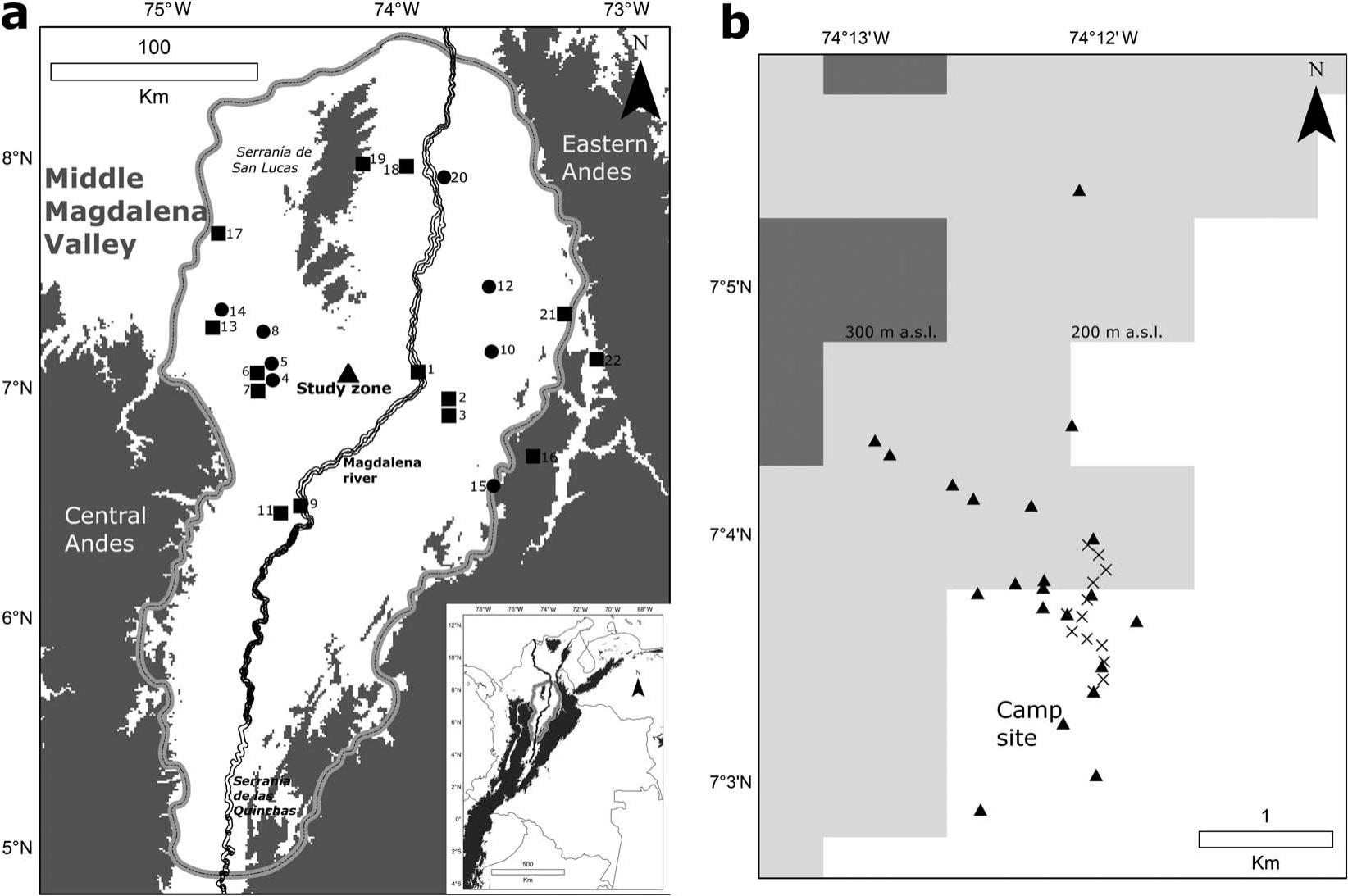
ABSTRACT Several of the first avifaunal surveys in Colombia were conducted in the lowland moist forests of the Middle Magdalena Valley, but for decades this region has been understudied. We present results of an avifaunal survey in a zone of Cantagallo, Bolívar, Colombia (Jun?Jul 2019), based on the collection of voucher specimens, associated tissue samples, and observational records. We report 165 species, 77 of which are represented with 266 voucher specimens. We found that the nearest documented records for 7 species are more than 100 km away. Moreover, our collection bridges more significant gaps in temporal sampling (mean = 71 years before our survey). Our field work resulted in the first tissue samples for 10 species in Colombia and 64 species from the department of Bolívar. The Middle Magdalena Valley"s forests have almost vanished and the surveyed zone should be considered for protection.

Autor(es): Enrique Arbelaez, DANIELA VILLAMIZAR ESCALANTE, NATALIA TRUJILLO ARIAS

Plasma estradiol and progesterone concentrations during the female reproductive cycle in a highly placentotrophic viviparous lizard, Mabuya sp
2020·
Articulo

Plasma estradiol and progesterone concentrations during the female reproductive cycle in a highly placentotrophic viviparous lizard, Mabuya sp

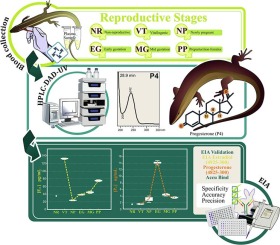
The neotropical genus Mabuya are obligate placentotrophic viviparous lizards, which have a short vitellogenesis that produces microlecithal oocytes and a prolonged time of gestation (9 to 10 months). The hormonal control of female reproductive activity during follicular growth and pregnancy has not been studied, although it is known that the corpus luteum can produce progesterone, but regresses early in pregnancy, being replaced in this function by the placenta. Through enzyme immunoassay (EIA) we measured the plasma concentrations of estradiol (E2) and progesterone (P4) in females of a population of Mabuya sp at different stages of their reproductive cycle. Previously, we confirmed the presence of P4 in plasma by high-performance liquid chromatography methods with diode-array detector ultraviolet (HPLC-DAD-UV). The average concentration values of E2 and P4 were compared among reproductive stages and their dynamics were related to what is known in other oviparous and viviparous amniotes. The plasma E2 concentrations of Mabuya sp. are below the levels found in other viviparous reptiles, probably related to the substantial reduction of its follicular growth phase. Its highest concentration was detected during vitellogenesis, related to its function in the growth and maturation of the ovarian follicles and oviduct preparation for pregnancy; lower levels were observed during pregnancy, but they increase at the end when a new vitellogenesis event begins and massive placental maternal-fetal nutrient transfer occurs. High concentrations of P4 were found during pregnancy, related to its function in the maintenance of the developing embryos within the oviduct. The highest levels of P4 were found at early gestation, then they descend from mid-gestation to the end of gestation. Although some characteristics of hormonal control related to the high level of placentotrophy were observed in this species, the changes in plasma sex steroid concentrations during the reproductive cycle in females of Mabuya sp. follow patterns seen in other viviparous amniotes.

Autor(es): Martha Patricia Ramirez, HERIBERTO BARBOSA MORALES, SALOME RODRIGUEZ CHAPARRO, RODRIGO LUIS SILVA RIBEIRO SANTOS

RELICT HUMID TROPICAL FOREST IN MEXICO PROMOTES DIFFERENTIATION IN BARRED WOODCREEPERS Dendrocolaptes (AVES: FURNARIIDAE)
2020·
Articulo

RELICT HUMID TROPICAL FOREST IN MEXICO PROMOTES DIFFERENTIATION IN BARRED WOODCREEPERS Dendrocolaptes (AVES: FURNARIIDAE)

Humid tropical forests in Mesoamerica are distributed along the Atlantic slope and, in scattered locations, along the Mexican Pacific slope. These poorly explored Mexican forests include microendemic bird species. Two species in the genus Dendrocolaptes occur in lowland and foothill humid tropical forests of Mesoamerica. One of these, D. sanctithomae, is comprised of four subspecies, of which the two that occur in Mexico, D. s. sanctithomae and D. s. sheffleri, are distinctly different morphologically, and the latter is a poorly known microendemic taxon of the Mexican Pacific humid tropical forest in the Sierra Madre del Sur. We used both nuclear (nDNA) and mitochondrial DNA (mtDNA) to evaluate the genetic variation of D. sanctithomae in Mexico, and complemented this with a quantitative analysis of phenotypic traits. We also conducted analyses of environmental niche models to test the hypothesis of niche differentiation of D. s. sheffleri from other taxa of D. sanctithomae. Our phylogenetic reconstructions of mtDNA consistently recovered D. s. sheffleri and D. s. sanctithomae as reciprocally monophyletic, while they shared alleles of nDNA. These mtDNA differences are comparable with differences reported between other Dendrocolaptes sister-taxa pairs. Our analysis of phenotypic traits also indicated that the taxa differ in measurements of hallux and feather barring. In contrast, niche differentiation tests suggest that the niches of both taxa are more similar than expected by chance. Our evidence leads us to propose species status for D. sheffleri. This is an additional example of recent speciation in Mexico that indicates active and peripatric evolutionary differentiation in the northern Neotropics.

Autor(es): Enrique Arbelaez, ADOLFO G. NAVARRO SIGUENZA, R CARLOS ALMAZAN NUNEZ, L ENRIQUE SANCHEZ RAMOS, M FANNY REBON GALLARDO

The Koepcke"s spear-nosed bat, Gardnerycteris koepckeae (Gardner and Patton, 1972) (Chiroptera: Phyllostomidae), is not endemic to Peru: first record from the Amazon foothills of Colombia
2020·
Articulo

The Koepcke"s spear-nosed bat, Gardnerycteris koepckeae (Gardner and Patton, 1972) (Chiroptera: Phyllostomidae), is not endemic to Peru: first record from the Amazon foothills of Colombia

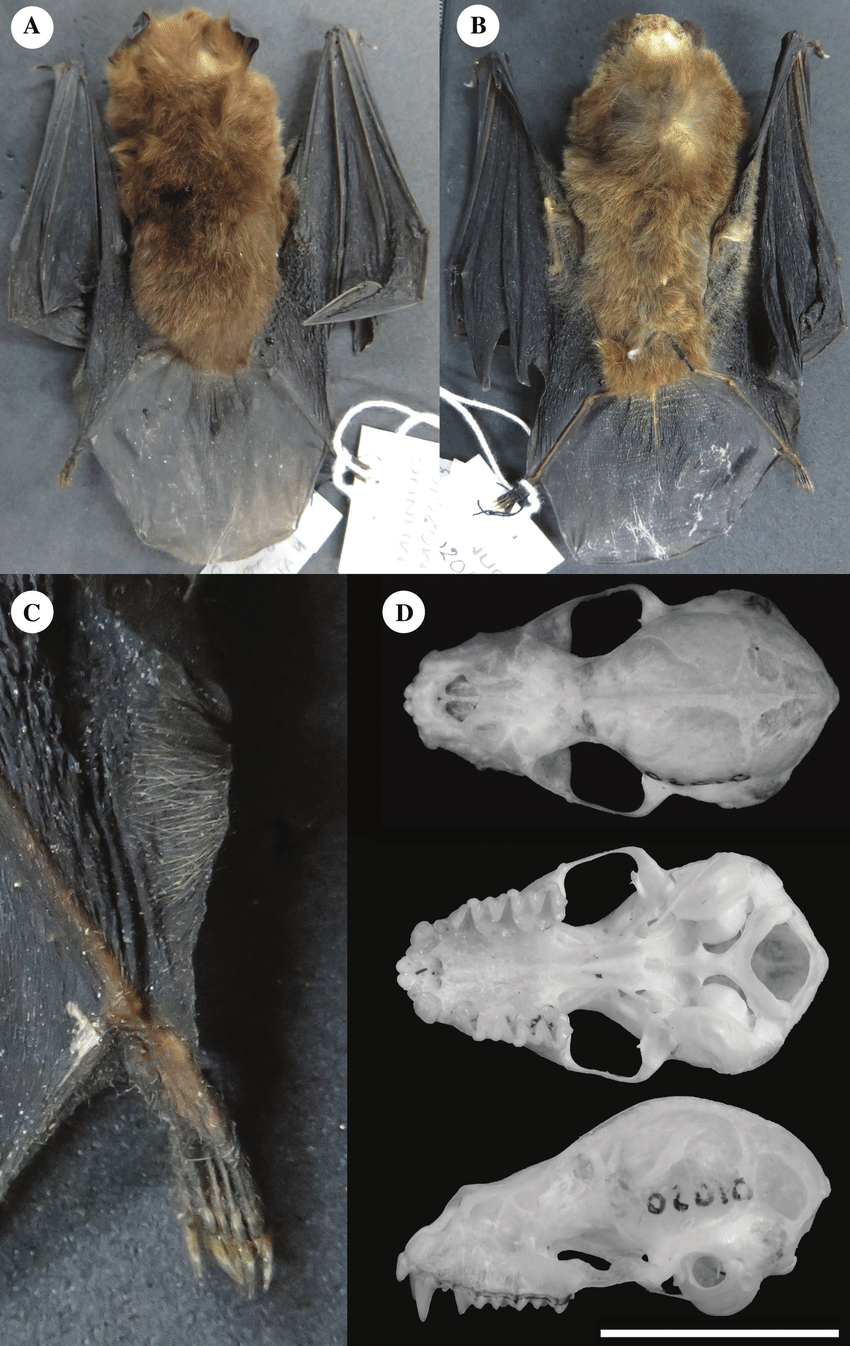
We report the first record of the rare Koepcke?s spear-nosed bat Gardnerycteris koepckeae collected outside of Peru, based on morphological and cytochrome b data. The species was found at the National Natural Park Alto Fragua Indi-Wasi, Department of Caquetá, Colombia. This record extended the species distribution 1400 km north from the northernmost known locality in Huanhuachayo, Ayacucho, Peru. This finding suggests that G. koepckeae is distributed over middle elevations along the eastern slope of the Andean-Amazonia foothills in Peru and Colombia, similar to other Phyllostomid bats, such as Vampyressa melissa and Lonchophylla handleyi. We reviewed the threatened category of G. koepckeae, currently categorized as Data Deficient (DD), according to the International Union for Conservation of Nature (IUCN), but considered as Endangered (EN) in recent papers. Based on this new record, we suggest that the species should be included in future assessments as Near Threatened (NT) or Vulnerable (VU) based on its wider distribution along the Andean-Amazonian foothills of Colombia, Ecuador and Peru, and probably the Orinoco slope of the Andes of Colombia and Venezuela.

Autor(es): Javier Enrique Colmenares, DARWIN MANUEL MORALES MARTINEZ, HECTOR EMILIO RAMIREZ CHAVES, Luis Germán Gómez Bernal

Body mass data set for 1317 bird and 270 mammal species from Colombia
2020·
Articulo

Body mass data set for 1317 bird and 270 mammal species from Colombia

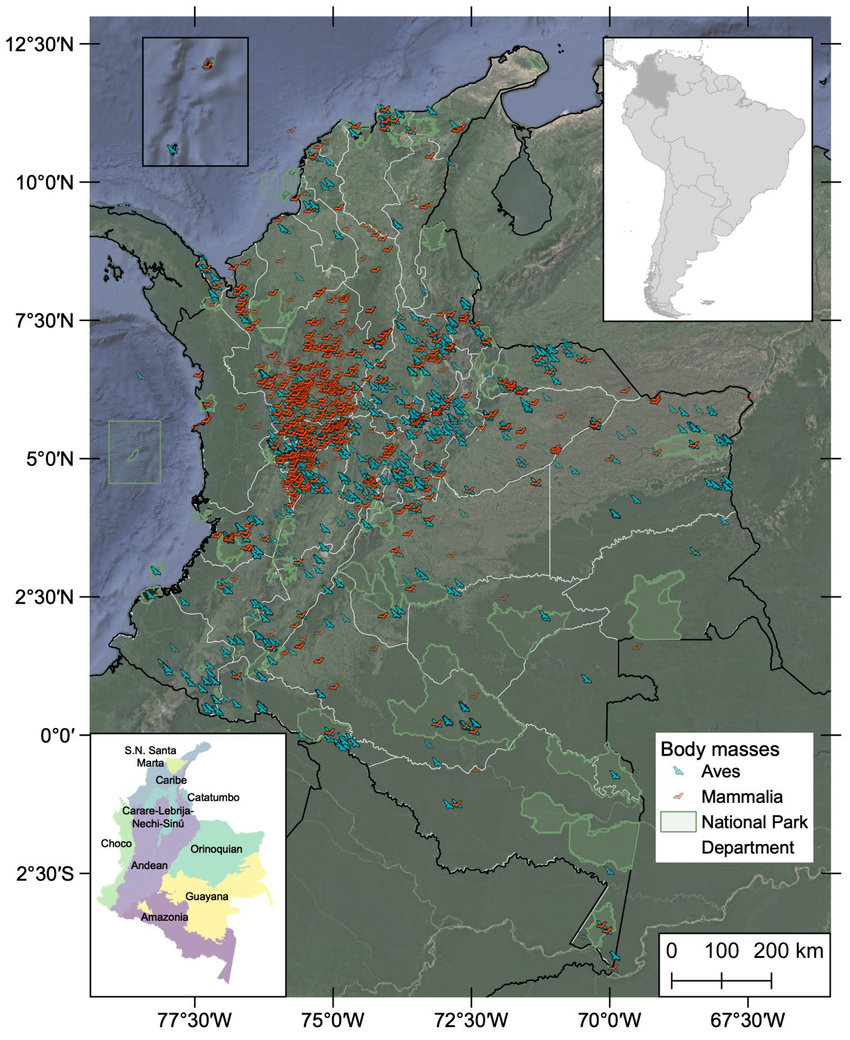
Body mass is one of the most important phenotypic attributes in animal ecology and life history. This trait is widely used in the fields of ecology and macroevolution, since it influences physiology, morphological functions, and a myriad of ecological and social interactions. In this data set, our aim was to gather a comprehensive bird and mammal body mass data set from northern South America. We report body mass, discriminated by sex, for 42,022 individual birds and 7,441 mammals representing 1,317 bird species (69% of Colombia"s avifauna) and 270 mammal species (51% of Colombian mammals) from the Neotropics. The data were sourced from vouchers collected between 1942 and 2020 and from individuals captured and released at banding stations over the last two decades for birds (2000-2020) and the last decade for mammals (2010-2020), by 10 research groups and institutions in Colombia. This data set fills gaps identified in other similar databases, as it focuses on northern South America, a highly diverse Neotropical region often underrepresented in morphological data sets. We provide wide taxonomic coverage for studies interested in information both at regional and local scales. There are no copyright restrictions; the present data paper should be appropriately cited when data are used for publication. The authors would appreciate learning about research projects, teaching exercises, and other uses given to this data set and are open to contribute in further collaborations using these data.

Autor(es): Enrique Arbelaez, Victor Hugo Serrano, David Ocampo, Kevin Giancarlo Borja Acosta, Julián Lozano Flórez, Sebastián Cifuentes-Acevedo, Nicholas James Bayly, Angela Patricia Caguazango Castro, Brayan Coral Jaramillo, Diego Cueva, Fernando Forero, Juan Pablo Gómez, Mario Agustin Loaiza, Gustavo A. Londoño, Sergio Losada-Prado, Sebastián Pérez-Peña, Héctor E. Ramírez-Chaves, Jeyson Sanabria-Mejía, Manuel Andrés Sanchez-Martínez, M. Del Socorro Sierra-Buitrago, Juliana Soto, Orlando Acevedo-Charry

Defining the phylogeographic relationship between
cis- and trans-Andean populations of Dendrocincla
fuliginosa and Xenops minutus in Colombia
2020·
Articulo

Defining the phylogeographic relationship between cis- and trans-Andean populations of Dendrocincla fuliginosa and Xenops minutus in Colombia

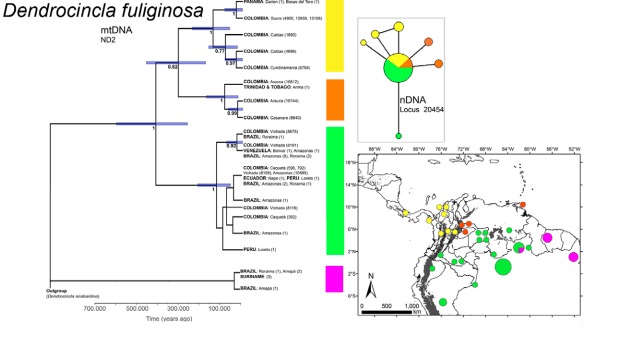
Due to the position of Colombia between Central and South America, and the presence of several ecosystems in its territory, phylogeographic information from populations across this country is fundamental to understand theevolutionary history of widespread Neotropical species. The Andes have long been noted for their influence isolating lowland species into cis- and trans-Andean populations. However, detailed sampling across cis-Andean zones adjacent to the Andes (i.e., Orinoquia) has been lacking in avian phylogeographic studies. Information from DNA sequences, from 2 passerine birds: Dendrocincla fuliginosa and Xenops minutus is presented herein; to depict their phylogeographic patterns, focusing on the relationship between cis- and trans-Andean populations from Colombia. The analyses, regardingColombian samples indicated that cis-Andean populations (i.e., Orinoquia and Amazon) are not closely related, rather the Orinoquia populations are more closely related to trans-Andean populations in both species. These relationshipssuggest that populations on both sides of the Andes were connected in the recent past (less than 1 myA). I propose that phylogeographic differentiation in lowland species in this region is not only explained by the presence of the Andean mountains, but also based on the ecological shifts between major ecosystems such as Amazonia and Orinoquia.

Autor(es): Enrique Arbelaez

ON BIRDS OF SANTANDER-BIO EXPEDITIONS, QUANTIFYING THE COST OF COLLECTING VOUCHER SPECIMENS IN COLOMBIA
2020·
Articulo

ON BIRDS OF SANTANDER-BIO EXPEDITIONS, QUANTIFYING THE COST OF COLLECTING VOUCHER SPECIMENS IN COLOMBIA

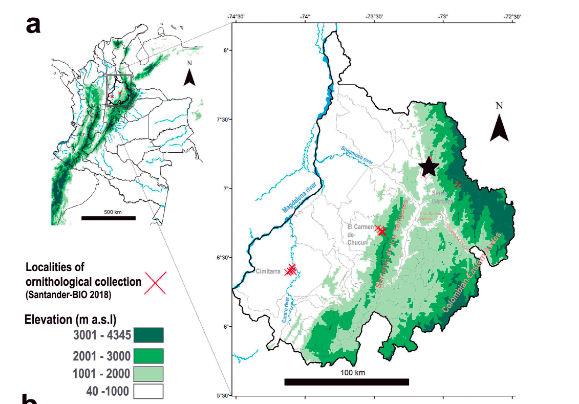
Several scientific reasons support continuing bird collection in Colombia, a megadiverse country with modest science financing. Despite the recognized value of biological collections for the rigorous study of biodiversity, there is scarce information on the monetary costs of specimens. We present results for three expeditions conducted in Santander (municipalities of Cimitarra, El Carmen de Chucurí, and Santa Barbara), Colombia, during 2018 to collect bird voucher specimens, quantifying the costs of obtaining such material. After a sampling effort of 1290 mist net hours and occasional collection using an airgun, we collected 300 bird voucher specimens, representing 117 species from 30 families. Such collection represents one of the largest series obtained during the historical ornithological exploration of Santander. We report differences among expeditions regarding the capture rate in mist nets, as well as differences in the sizes of taxa collected by mist nets and airgun. We discuss results in the context of previous ornithological expeditions in Colombia, commenting issues on the biology of some species, particularly those considered as noteworthy records (e.g., Red-legged Tinamou [Crypturellus erythropus], Cinnamon Screech Owl [Megascops petersoni], Saffron-headed Parrot [Pyrilia pyrilia], Black Inca [Coeligena prunellei], and Chestnut-crowned Gnateater [Conopophaga castaneiceps]). We calculated that the costs of obtaining and curating a specimen in Colombia, including tissues for molecular analysis, was ~US$60.4 (~$196 176 COP), which is among published costs of obtaining voucher specimens in other taxa and countries. These costs must be considered an investment in scientific capital because voucher specimens will provide biological information for hundreds of years.

Autor(es): Enrique Arbelaez, Daniela Villamizar, Fernando Rondon

Reproductive activity, microhabitat use, and calling sites of Pristimantis bacchus (Anura: Craugastoridae).
2020·
Articulo

Reproductive activity, microhabitat use, and calling sites of Pristimantis bacchus (Anura: Craugastoridae).

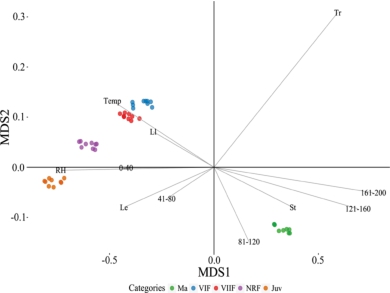
Pristimantis bacchus is an endangered terrestrial frog, endemic to cloud forests of the northern part of the Cordillera Oriental in the Colombian Andes. The knowledge of its reproductive biology and microhabitat use can offer important information for future conservation programs. We evaluated the reproductive activity and microhabitat use for both sexes, and selection of calling sites by males during rainy and dry seasons. Individuals of all reproductive conditions were observed throughout the sampled months; however, we observed a higher abundance of frogs during the first rainy season, after the driest months of the year. Thus, this population seems to have continuous reproductive activity, with an apparent peak at the onset of the first rainy season of the year. There were differences in the microhabitat use between sexes, between adults and juveniles, and between non-reproductive and reproductive females. Males use a wider variety of substrates at higher perches, while females were mainly found on leaf litter and over leaves at low heights; however, ovigerous females mostly occupied substrates above 120 cm. Juveniles were less abundant than adults, and occupy low substrates, mostly at forest litter. Two selection models evaluated the preference for calling sites, related to physiological requirements of humidity and for vocal sound dispersion. Males preferred to vocalize on perches at heights among 41-120 cm and with a vegetal structure that maintains high humidity, avoiding desiccation, and reducing exposure to predators. Therefore, intrapopulation variation in microhabitat use in this species is related to age, sex, reproductive condition, and physiological requirements.

Autor(es): Wilfredo Chinchilla, Victor Hugo Serrano, Martha Patricia Ramirez

Validation of an enzyme immunoassay for the quantification of testosterone in green iguana males (Iguana iguana)
2020·
Articulo

Validation of an enzyme immunoassay for the quantification of testosterone in green iguana males (Iguana iguana)

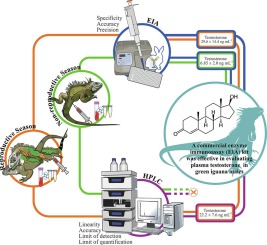
The endocrinological study by immunological methods allows elucidating mechanisms of response to environmental challenges and reproductive regulatory mechanisms in animals. However, it is often overlooked that immunological assays for the detection and quantification of steroid hormones require prior validation tests. In this study, the efficacy of a commercial enzyme immunoassays (EIA) was evaluated for the quantification of plasma testosterone (T) in males from a population of green iguanas (Iguana iguana) in semi-captivity. The enzyme immunoassay was validated for specificity, accuracy and precision. Testosterone concentrations obtained by EIA were compared to estimates obtained on the same samples by high-performance liquid chromatography (HPLC). The proposed protocol has shown linearity and parallelism, T recovery was found to be within 80-110% accuracy, and precision variation was <10%. The EIA method allowed the differentiation of the plasma T concentration of male iguanas during the reproductive season (29.7 ± 14.4 ng mL-1, n = 4) and outside the reproductive season (6.8 ± 2.0 ng mL-1, n = 4). The HPLC method has been able to detect concentrations of T only for those individuals during the reproductive season. The T concentrations obtained by the two methods were not statistically different (p > 0.05) indicating that the commercial EIA kit analyzed can be employed in the laboratory routine to quantify plasma T concentration and consequently differentiate the reproductive status of green iguana males.

Autor(es): Martha Patricia Ramirez, HERIBERTO BARBOSA MORALES, RODRIGO LUIS SILVA RIBEIRO SANTOS

Hemipenial morphology of nine South American species of Mabuya (Scincidae: Lygosominae) with comments on the morphology of the family
2020·
Articulo

Hemipenial morphology of nine South American species of Mabuya (Scincidae: Lygosominae) with comments on the morphology of the family

Species of the genus Mabuya are barely recognizable because of their highly conservative external morphology, resulting in unstable systematic and taxonomic status. Considering that hemipenial morphology has been extensively used as a useful source of systematic information for several groups of Squamata, we described the hemipenial morphology of nine species of Mabuya, searching for diagnostic features useful to taxonomic and systematic studies. To have comparative parameters within the family, we also presented the description of the hemipenes of two other Scincidae species (i.e., Trachylepis atlantica and Tiliqua rugosa). This information, together with the available literature, was analyzed in a comparative framework, allowing us to define some variation for the genus and family. The hemipenial morphology of the species of Mabuya studied is very conservative; features that show subtle variation were the shape of the protuberances present on the asulcate face of the hemipenial body and the presence and type of a lateral fold, on the body. Also, within the family some variation was found in the shape and length of lobes, length of branches of the sulcus spermaticus, and in the kind of folds and protuberances in both faces of the lobes and hemipenial body. Although these features were not tested in a systematic context, this information suggested variations in hemipenial morphology that could contribute to taxonomic diagnostics and phylogenetic characters. The importance of obtaining proper preparations for gathering accurate information is emphasized, and the use of fresh-killed specimens that shows fewer difficulties for the procedures of preparation is recommended.

Autor(es): Martha Patricia Ramirez, Paola María Sánchez-Martínez, ELSON FERLEY MENESES PELAYO, PEDRO SALES NUNES

No hay productos disponibles.

Anfibios, Reptiles & Mamíferos. Área de influencia. Proyecto Hidroeléctrico Sogamoso. Guía Ilustrada
2014·
Libro

Anfibios, Reptiles & Mamíferos. Área de influencia. Proyecto Hidroeléctrico Sogamoso. Guía Ilustrada

Los anfibios, reptiles y mamíferos del Área de In?uencia del Proyecto Hidroeléctrico Sogamoso, es el resultado de los estudios de línea base realizados desde el año 2009 en las diferentes formaciones vegetales existentes en la cuenca del río Sogamoso, y constituye una contribución al conocimiento de la biodiversidad del departamento de Santander. Esperamos que esta publicación se constituya en un libro de consulta y reconocimiento de an?bios, reptiles y mamíferos por parte de las poblaciones humanas que conviven con estos en el día a día, pero también sea referencia para los estudiosos de la biota colombiana, convirtiéndose en una contribución para que las investigaciones básicas y aplicadas dirijan sus esfuerzos en la conservación y protección de la biodiversidad. Rico, Luis. (2014). Anfibios, Reptiles & Mamíferos. Área de influencia. Proyecto Hidroeléctrico Sogamoso. Guía Ilustrada. Colombia. Ed. Publicaciones Uis

Autor(es): Martha Patricia Ramirez, Victor Hugo Serrano, Jesús Eduardo Ortega Chinchilla, Raúl Andrés Rodríguez Moreno

Insectos, Mariposas y Escarabajos coprófagos. Área de Influencia del Proyecto Hidroeléctrico Sogamoso: guía ilustrada.
2014·
Libro

Insectos, Mariposas y Escarabajos coprófagos. Área de Influencia del Proyecto Hidroeléctrico Sogamoso: guía ilustrada.

Esta publicación se constituye en un libro de consulta y reconocimiento de insectos, mariposas y escarabajos coprófagos por parte de las poblaciones humanas que conviven con éstas en el día a día, pero también se convierte en una contribución para que las investigaciones básicas y aplicadas dirijan sus esfuerzos hacia la conservación y protección de la biodiversidad. Rico, Luis. (2014). Insectos, Mariposas y Escarabajos coprófagos. Área de Influencia del Proyecto Hidroeléctrico Sogamoso: guía ilustrada. Bucaramanga. Colombia. Ed. Universidad Industrial De Santander.

Autor(es): Daniel Rafael Miranda, Juliette Gualdrón Díaz, Juan Carlos Rey Velasco

Aves Área de influencia Proyecto Hidroeléctrico Sogamoso Guía Ilustrada
2013·
Libro

Aves Área de influencia Proyecto Hidroeléctrico Sogamoso Guía Ilustrada

Aves del Área de Influencia del Proyecto Hidroeléctrico Sogamoso, es el resultado de los estudios de línea base realizados desde el año 2009 en las diferentes formaciones vegetales existentes en la cuenca del río Sogamoso y constituye una contribución al conocimiento de la biodiversidad del departamento de Santander. Esperamos que esta publicación se constituya en un libro de consulta y reconocimiento de las Aves por parte de las poblaciones humanas que conviven con éstas en el día a día pero también sea referencia para los estudiosos de la avifauna Colombiana, convirtiéndose en una contribución para que las investigaciones básicas y aplicadas dirijan sus esfuerzos hacia la conservación y protección de la biodiversidad. Rico, Luis. (2013). Aves del Área de Influencia, Proyecto Hidroeléctrico Sogamoso, Guía ilustrada. Bucaramanga, Colombia. Ed. Division de publicaciones UIS

Autor(es): Victor Hugo Serrano, Ricardo Herrera Ordoñez

Sistemática filogenética. Introducción a la práctica.
2007·
Libro

Sistemática filogenética. Introducción a la práctica.

Este libro ha sido pensado como uno de los tantos soportes posibles para las clases de sistemática de nivel básico y avanzado, además de servir de repaso a conceptos teóricos generales, pero sobre la base empírica, y no como reemplazo de los libros básicos o avanzados sobre análisis filogenético. El libro consta de doce secciones, que van desde manejo de caracteres, pasando por editores de matrices y árboles a búsquedas tanto para análisis de parsimonia y máxima verosimilitud (ML), como para análisis bayesiano. A lo largo del libro se utiliza una tipografía consistente para indicar el nombre de los programas. Se espera que el usuario de este manual tenga conocimientos básicos, o que esté tomando un curso formal de sistemática Filogenética a nivel de pre o postgrado.

Autor(es): Daniel Rafael Miranda, Ivonne Janeth Garzón Orduña, Joan Salvador Arias

No hay productos disponibles.

No hay productos disponibles.